
Quick Bites (TL;DR)
- Start Without Debt: You do not need a massive bank loan to become an entrepreneur. Starting small protects you from Riba (interest).
- High-Demand Niches: Ethical digital marketing, modest fashion e-commerce, and Halal food delivery are booming across Africa in 2026.
- Purity Equals Profit: A business built entirely on Sharia-compliant principles attracts loyal customers and endless Barakah.
Working a standard 9-to-5 job is honorable, but true financial independence often requires starting your own venture. The fear of needing massive capital stops many talented Muslims from taking the first step.
You can launch a highly profitable venture today with just a smartphone and a solid internet connection. The secret is finding a service or product that solves a real problem while maintaining strict Islamic ethics.
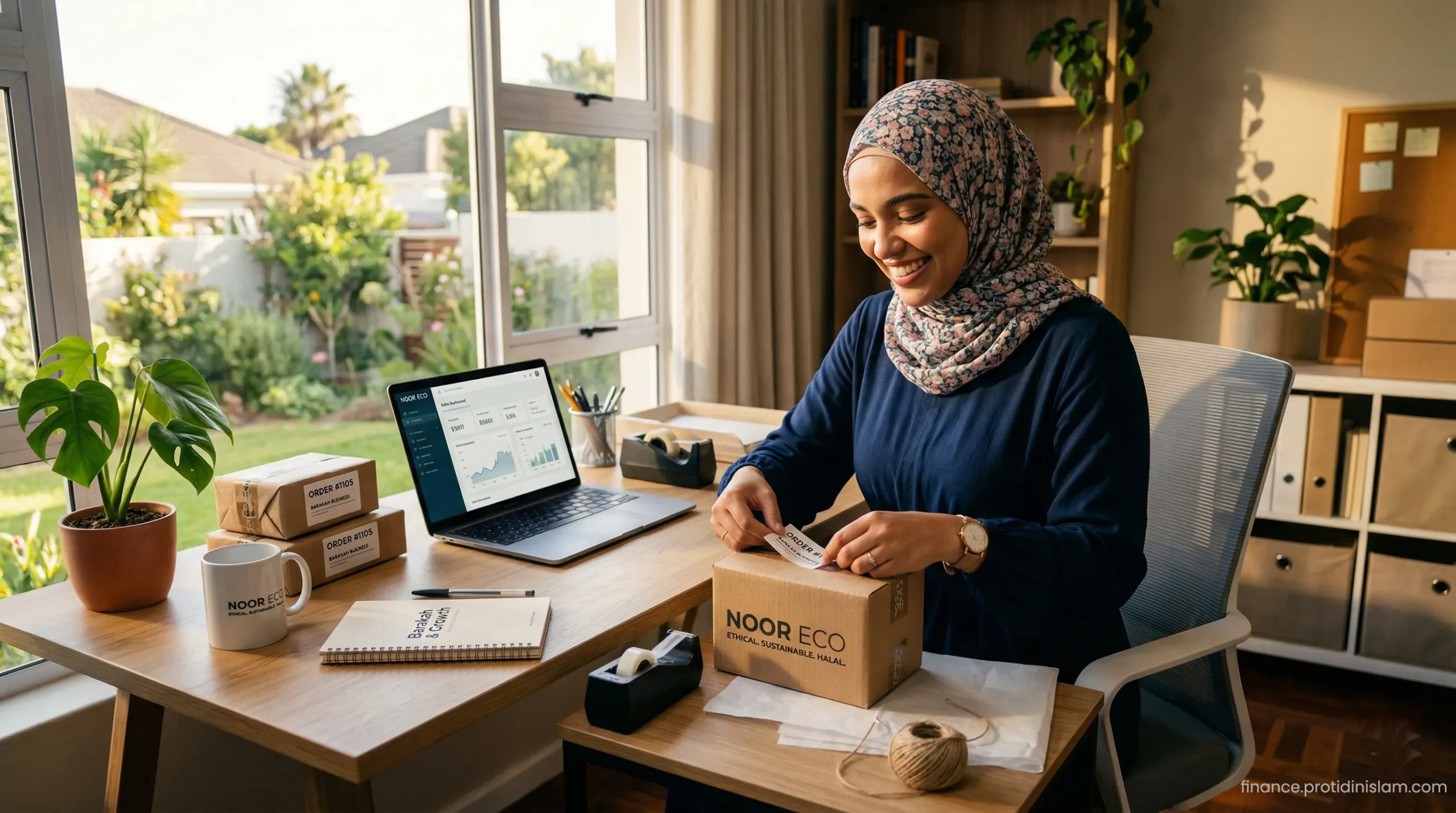
One of the fastest-growing sectors is ethical digital services. If you have skills in graphic design, writing, or social media management, you can start a freelance agency overnight. You only need to ensure your clients operate Sharia-compliant businesses.
E-commerce is another massive opportunity. You can source modest clothing, organic honey, or Islamic educational toys and sell them locally. By using a pre-order model, you completely eliminate the need for upfront inventory costs.
As your small venture grows, you will need a secure place to store your profits. Opening an Islamic banking South Africa business account ensures your operating funds never mix with haram interest.
Mizanur’s Rizq Hack: The Pre-Sale Validation Method
The biggest mistake new entrepreneurs make is taking out a loan to buy products before they even have a single customer. This often leads to desperate decisions and debt.
My strict rule is the “Pre-Sale Validation Method”. Before you spend a single dollar on inventory, create a free Facebook page or WhatsApp catalog featuring the product. Run a tiny $5 ad or share it in local community groups to see if people actually want to buy it.
If they place an order, you take their payment and then buy the product to fulfill it (known as Salam contract in Islamic finance if conditions are met). This keeps your capital safe, completely avoids Riba-based business loans, and invites immediate Barakah into your hustle.

Another incredible low-cost idea is starting a localized Halal food directory or delivery service. People are constantly searching for verified Halal dining options. You can build a simple website to connect hungry customers with clean, ethical restaurants.
Once your business starts generating steady cash flow, do not just let the money sit idle. You should look into Halal investment opportunities in Nigeria to multiply your corporate profits safely.
Remember, entrepreneurship is a spiritual journey. To protect your new venture from failure, always combine your hard work with a complete guide to Halal finance strategies. And most importantly, never start your workday without reciting powerful Duas for wealth to seek Allah’s ultimate provision.
Frequently Asked Questions About Halal Business
1. Can I use a regular bank loan to start my Halal business?
No. Taking a conventional bank loan involves paying Riba (interest), which is strictly prohibited in Islam. Instead, look for Islamic microfinance, partner with an investor for profit-sharing (Mudarabah), or start small using your own savings.
2. Is dropshipping considered a Halal business model?
Dropshipping can be Halal, but it requires strict conditions. You cannot sell what you do not own unless you use a specific Islamic contract like ‘Salam’. Many scholars recommend buying the inventory first or acting as an official commissioned agent for the supplier to ensure full Sharia compliance.
3. How do I make sure my freelance clients are Halal?
As a freelancer, you must screen your clients. You cannot provide services (like marketing, writing, or web design) to companies involved in alcohol, gambling, conventional banking, or adult entertainment. Always ask about the client’s core business before accepting a contract.