Quick Bites (TL;DR)
- Protect Your Home: A 30-year conventional mortgage forces you to pay massive amounts of Riba (interest), which destroys the spiritual peace of your household.
- The Halal Alternative: Islamic banks use partnership models (Diminishing Musharakah) where you buy the house together and pay rent on the bank’s share.
- Build Clean Equity: You can still become a homeowner and build generational wealth without declaring war against Allah and His Messenger.
Buying a family home is a massive life milestone, but signing a conventional mortgage contract is spiritually destructive. Paying Riba (interest) just to own brick and mortar wipes out the Barakah from your hard-earned income.
Many Muslims feel trapped, thinking they have to rent forever. But securing your family’s future is completely possible if you follow a complete guide to Halal finance and explore ethical alternatives.
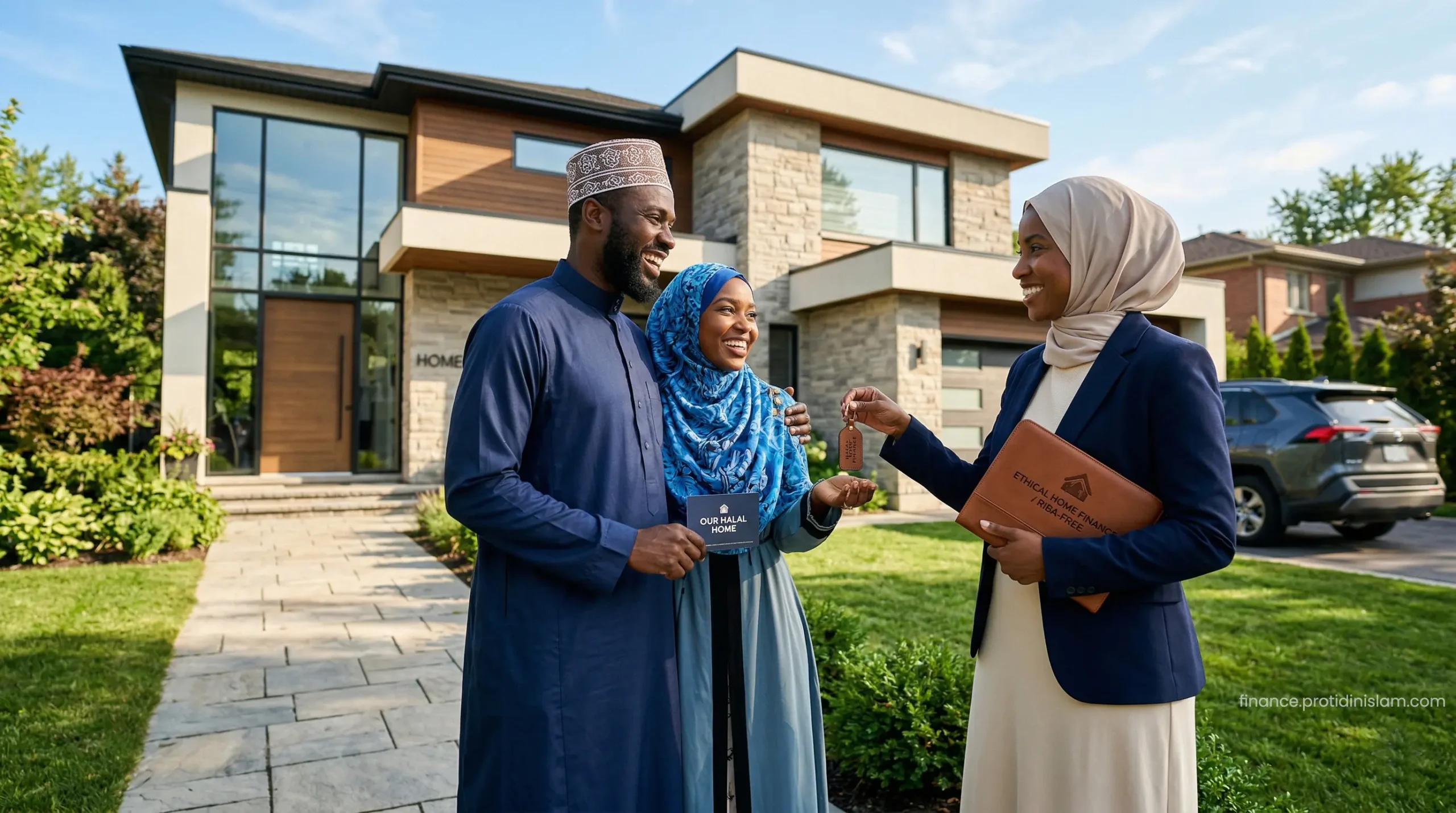
The good news is that the Sharia-compliant real estate market is booming. If you look at the top Islamic banking South Africa options, you will find dedicated home finance products designed to keep you out of the interest trap.
Instead of lending you cash and charging a percentage, the Islamic bank forms a partnership with you. In a Diminishing Musharakah contract, you and the bank buy the property together. You might own 20%, and the bank owns 80%.
You then move into the house and pay the bank a fair monthly rent for using their 80% share. Alongside the rent, you make a capital payment to slowly buy their shares. Over the years, your ownership increases, the bank’s share decreases, and your rent drops.
This is a pure trade and lease agreement. Understanding the clear differences between conventional and Islamic banking will give you the confidence to sign these contracts without guilt.
Mizanur’s Halal Finance Hack: The Default Clause Check
Even when dealing with Islamic institutions, you must read the fine print. My top hack for home buyers is the “Default Clause Check.”
In a conventional mortgage, if you miss a payment, they hit you with compounding interest penalties. This spirals out of control fast. A true Islamic mortgage cannot charge compounding interest for late payments.
To discourage people from paying late on purpose, Islamic banks might charge a fixed late fee, but Sharia law strictly dictates that this fee must be donated to charity. The bank cannot keep it as profit. Always verify this specific clause with the bank’s Sharia board before signing your life away.
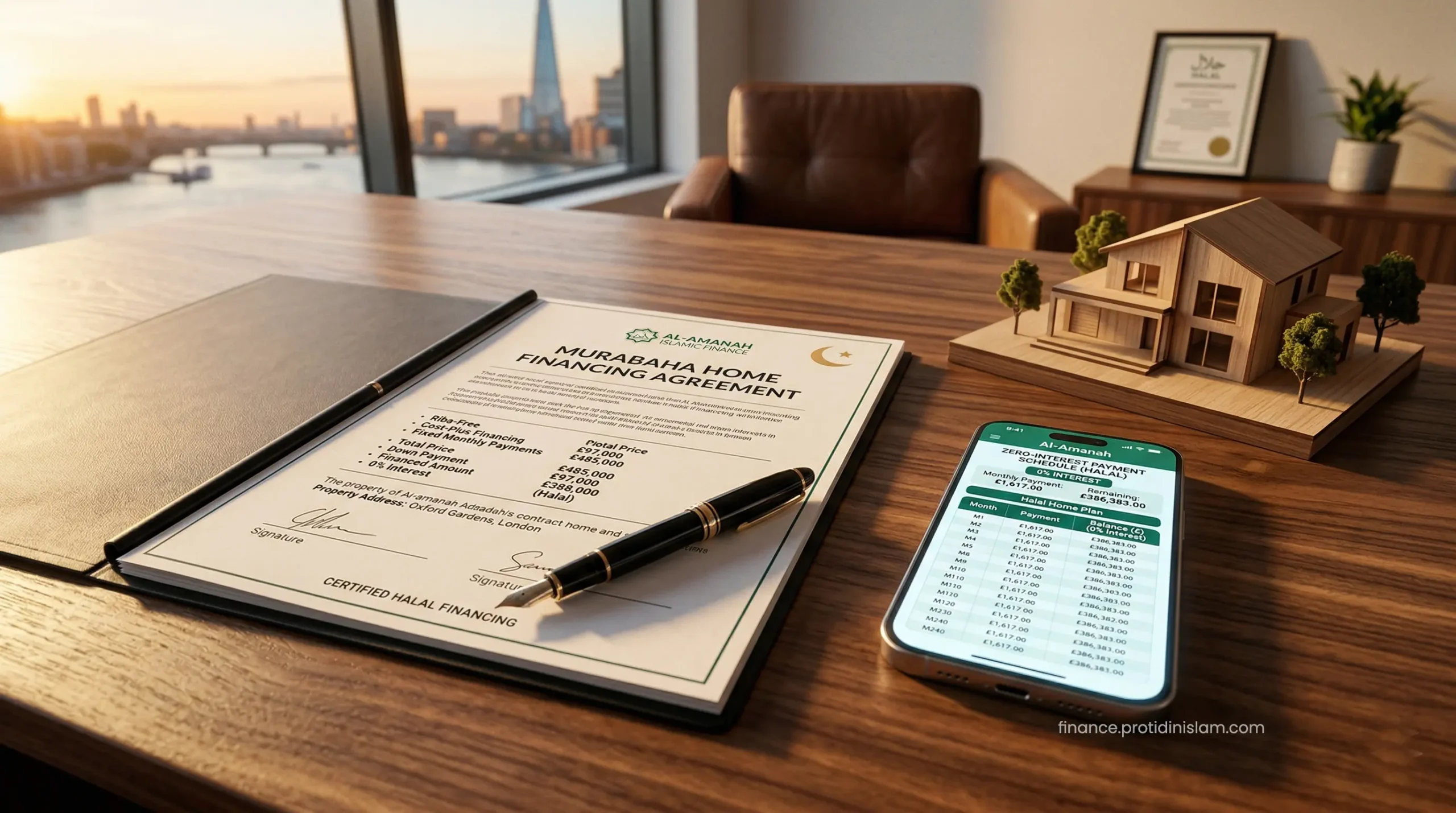
Once you secure your property, it becomes a massive asset. While the primary home you live in is completely exempt from Zakat, your financial responsibilities change if you buy a second property to rent out.
If you start collecting monthly rent from tenants, you must perform a step-by-step Zakat calculation on the rental income you save over the year to keep that passive income spiritually clean.
Protecting your family from the curse of Riba is the ultimate win. Take your time, find the right Islamic financier, and build a home filled with peace, love, and Barakah.
Frequently Asked Questions About Islamic Mortgages
1. Are Islamic mortgages more expensive than conventional ones?
Sometimes the upfront administrative costs or the monthly rental rates might be slightly higher or perfectly match conventional interest rates. However, the price you pay for peace of mind and avoiding the major sin of Riba is priceless. You are paying for a pure, Halal transaction.
2. Can I refinance my current conventional mortgage into an Islamic one?
Yes. Most Islamic banks offer a refinancing option. They will purchase the property from your current conventional bank, effectively paying off your interest-based loan, and then enter into a new, Sharia-compliant lease or partnership agreement with you.
3. Do I actually own the house in an Islamic mortgage?
In a Diminishing Musharakah model, you are a co-owner with the bank from day one. Your name is usually on the title deed, but the bank places a lien on the property until you buy out their remaining shares. Once fully paid, you are the 100% sole owner.