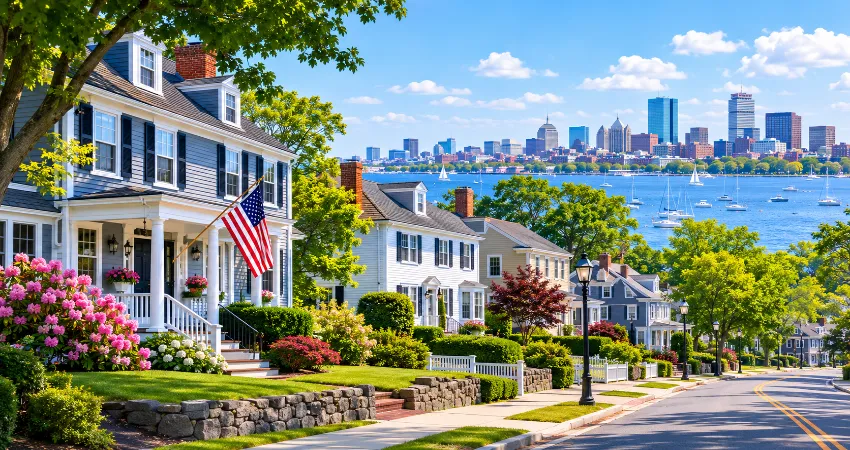
Massachusetts is one of the most desirable states in the United States for homebuyers, professionals, students, and families. From historic coastal communities to modern suburban neighborhoods, the state offers a wide variety of residential areas that appeal to different lifestyles and budgets.
Excellent schools, strong employment opportunities, healthcare facilities, reliable transportation, and a high quality of life continue to drive demand across many cities and towns.
After analyzing long-term housing trends, public amenities, commuting options, school quality, safety, and community development, it becomes clear that high demand is not determined by home prices alone. Buyers increasingly prioritize neighborhoods that provide lasting value, convenience, and strong community infrastructure. Whether you’re planning to relocate, invest in a home, or simply learn more about Massachusetts real estate, understanding these residential hotspots can help you make informed decisions.
This guide explores fifteen of the most sought-after residential areas in Massachusetts, highlighting what makes each location attractive while providing practical insights for prospective residents.
What Makes a Residential Area High-Demand?
Several factors consistently influence housing demand across Massachusetts. Strong public schools, convenient access to Boston, employment opportunities, healthcare services, public transportation, parks, shopping centers, and low crime rates all contribute to a neighborhood’s popularity. Communities with stable property values, active local governments, and ongoing infrastructure improvements also tend to maintain long-term residential demand.
Top 15 Best High-Demand Residential Areas In Massachusetts
1. Newton
Newton remains one of Massachusetts’ most desirable places to live. Located just west of Boston, it offers outstanding public schools, attractive neighborhoods, excellent parks, and convenient commuter rail access. Families appreciate the community-oriented atmosphere, while professionals enjoy quick access to Boston’s business districts. Although housing prices are relatively high, many residents consider the long-term value worthwhile.
2. Lexington
Lexington combines rich American history with exceptional educational opportunities. Its highly rated public schools consistently attract families seeking academic excellence. Beautiful residential streets, recreational facilities, and a strong sense of community make Lexington one of the state’s most competitive housing markets.
3. Brookline
Brookline offers an ideal balance between urban convenience and suburban comfort. Residents benefit from easy public transportation into Boston while enjoying tree-lined streets, local restaurants, cultural attractions, and highly respected schools. The area’s walkability significantly increases its appeal for professionals and retirees alike.
4. Cambridge
Home to world-renowned universities, innovative technology companies, and a vibrant cultural scene, Cambridge continues attracting students, researchers, entrepreneurs, and families. Excellent public transportation, diverse housing options, and abundant employment opportunities contribute to its consistently high residential demand.
5. Wellesley
Wellesley is known for elegant neighborhoods, exceptional schools, and beautifully maintained public spaces. The town provides a peaceful suburban environment while remaining conveniently connected to Boston. Residents enjoy shopping districts, community events, and extensive recreational facilities throughout the year.
6. Arlington
Arlington has experienced significant growth due to its affordability compared to neighboring communities. Excellent schools, bike trails, family-friendly parks, and efficient transportation make it attractive to first-time buyers and growing families. The community continues investing in infrastructure and neighborhood improvements.
7. Belmont
Belmont consistently ranks among Massachusetts’ best residential communities. Strong educational institutions, quiet neighborhoods, and close proximity to Cambridge and Boston create an attractive combination for professionals and families. Residents appreciate the town’s safety and community-focused environment.
8. Needham
Needham offers spacious residential neighborhoods, quality schools, and convenient commuter rail service. The town supports a balanced lifestyle through excellent parks, sports facilities, shopping centers, and community organizations. Property values have remained strong due to continued demand.
9. Winchester
Winchester is widely recognized for its beautiful homes, excellent school district, and welcoming community atmosphere. Scenic ponds, conservation areas, and recreational opportunities contribute to its high quality of life. The town appeals particularly to families seeking a peaceful suburban environment.
10. Andover
Located north of Boston, Andover combines historical charm with modern amenities. Strong schools, attractive neighborhoods, and convenient highway access attract professionals working throughout the Greater Boston region. The community also benefits from numerous parks and cultural attractions.
11. Acton
Acton has become increasingly popular among families looking for more space while maintaining access to Boston employment centers. Excellent public schools, conservation land, recreational facilities, and strong community involvement continue supporting residential growth and long-term property value.
12. Sharon
Sharon is known for outstanding schools, beautiful lakes, and family-oriented neighborhoods. Residents enjoy a quieter suburban lifestyle while remaining connected through commuter rail services. Its combination of natural beauty and educational excellence makes Sharon highly desirable.
13. Westford
Westford offers a balanced mix of suburban comfort and economic opportunity. Technology professionals are particularly drawn to the town due to nearby employment centers. Excellent schools, recreational programs, and community events strengthen its reputation as a desirable residential destination.
14. Burlington
Burlington has evolved into a major residential and commercial hub. Shopping centers, healthcare facilities, corporate offices, and convenient highway access make daily living highly convenient. Continuous development has increased housing demand among professionals and young families.
15. Quincy
Quincy provides relatively greater housing diversity compared to many neighboring communities while maintaining strong transportation links to downtown Boston. Waterfront attractions, expanding residential developments, improving public amenities, and vibrant local businesses continue attracting new residents.
Choosing the Right Residential Area
Selecting the best place to live depends on individual priorities. Families often focus on school quality and neighborhood safety, while professionals may prioritize commuting convenience and employment opportunities. Retirees may value healthcare access, community activities, and peaceful surroundings. Evaluating long-term lifestyle needs alongside housing costs can lead to better decisions than focusing solely on current home prices.
Future Housing Trends in Massachusetts
Population growth around Greater Boston, expanding technology industries, healthcare employment, and continued infrastructure investment are expected to support housing demand across many Massachusetts communities. Buyers increasingly seek neighborhoods offering flexible commuting options, outdoor recreation, quality education, and sustainable community planning. These factors are likely to remain important for years to come.
Frequently Asked Questions
1. Which residential area is considered the best overall in Massachusetts?
There is no single answer because every buyer has different priorities. However, communities such as Newton, Lexington, and Wellesley consistently rank highly due to excellent schools, strong public services, convenient commuting options, and stable property values. These areas offer long-term residential appeal for many households.
2. Which Massachusetts town is best for families with children?
Families often choose Lexington, Needham, Sharon, Winchester, or Belmont because of their highly rated schools, safe neighborhoods, recreational facilities, and strong community engagement. These towns provide supportive environments that appeal to parents planning for long-term residence.
3. Are these high-demand areas expensive?
Many of the most desirable communities have above-average home prices because demand consistently exceeds supply. However, locations such as Arlington, Quincy, and Burlington may provide comparatively more affordable opportunities while still offering excellent amenities and transportation access.
4. Which area offers the easiest commute to Boston?
Brookline, Cambridge, Quincy, Newton, and Belmont all provide convenient commuting through public transportation and major roadways. Residents can often reach downtown Boston efficiently, making these communities especially attractive for daily commuters.
5. Is Massachusetts a good state for long-term homeownership?
Massachusetts has historically maintained strong housing demand due to its diverse economy, educational institutions, healthcare sector, and employment opportunities. While market conditions naturally fluctuate, many communities continue demonstrating long-term residential stability.
6. Which town has the strongest public schools?
Lexington, Newton, Wellesley, Winchester, Belmont, and Acton frequently receive recognition for educational excellence. Families relocating specifically for school quality often include these communities at the top of their search list.
7. What should buyers consider before choosing a neighborhood?
Buyers should evaluate commuting distance, school quality, healthcare access, neighborhood safety, local amenities, future development plans, transportation options, and overall affordability. Visiting the area at different times of day can also provide valuable insight into daily living conditions.
8. Are these areas suitable for first-time homebuyers?
Some communities have high entry prices, but towns like Arlington, Quincy, and Burlington may offer more accessible opportunities depending on the housing market. First-time buyers should compare multiple neighborhoods while considering both current affordability and future resale potential.
9. Do these communities offer good investment potential?
High-demand residential areas often experience stronger long-term property appreciation because of consistent buyer interest. Although future market performance cannot be guaranteed, locations with excellent schools, transportation, and employment access generally remain attractive to future buyers.
10. How can someone choose the best residential area for their lifestyle?
The best approach is to identify personal priorities before beginning the home search. Families, professionals, retirees, and remote workers often value different features. Comparing neighborhoods based on daily lifestyle needs, transportation, schools, healthcare, recreation, and budget helps ensure a well-informed decision.
Conclusion
Massachusetts offers a remarkable variety of high-demand residential communities, each with unique strengths and lifestyle advantages. Whether your priority is excellent schools, career opportunities, convenient transportation, or long-term property value, the state provides numerous outstanding choices.
By carefully evaluating your personal needs alongside each community’s characteristics, you can confidently identify a residential area that supports both your current lifestyle and future goals.