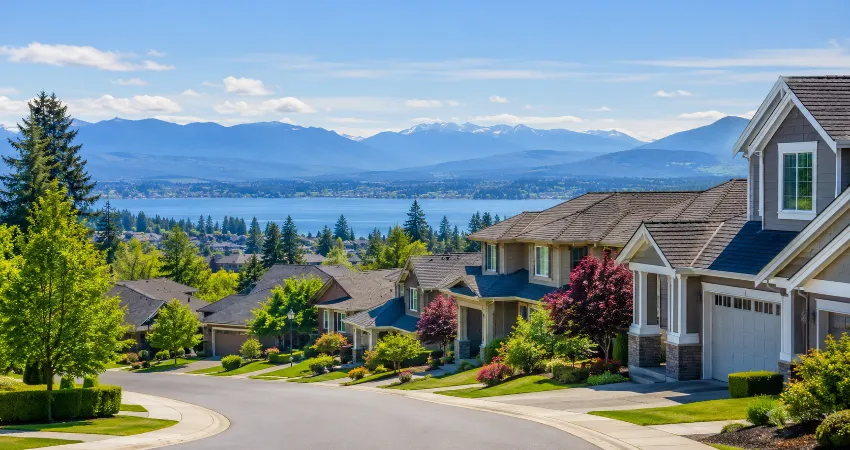
Washington is home to a diverse range of residential communities, offering everything from vibrant urban neighborhoods to peaceful suburban settings and scenic waterfront locations. Whether you’re relocating for work, searching for a family-friendly environment, or looking for a community with excellent schools and amenities, choosing the right residential area requires careful research. Every neighborhood has its own strengths, lifestyle, and long-term appeal.
After researching housing trends, local amenities, transportation access, school quality, employment opportunities, and overall livability, this guide highlights fifteen of the most sought-after residential areas across Washington. Rather than focusing only on property prices, this article evaluates the everyday living experience, helping readers understand why these communities consistently remain in high demand.
If you’re planning to move within Washington or relocate from another state, the information below provides a practical overview of neighborhoods that continue to attract families, professionals, retirees, and first-time homebuyers alike.
What Makes a Residential Area Highly Desirable?
Several factors contribute to the popularity of a residential community. Excellent public schools, low crime rates, convenient transportation, employment opportunities, healthcare facilities, parks, shopping centers, and community services all influence demand. Areas that successfully combine these qualities often experience steady property appreciation and maintain strong long-term desirability.
Top 15 Best High-Demand Residential Areas In Washington
1. Bellevue
Bellevue consistently ranks among Washington’s most desirable places to live. Located just east of Seattle, it offers a strong economy driven by technology companies, outstanding public schools, modern shopping districts, beautiful parks, and excellent public infrastructure. Residents appreciate its balance between urban convenience and suburban comfort. Families, professionals, and international residents are all attracted to Bellevue’s clean neighborhoods and high quality of life.
2. Redmond
Known for its technology industry presence, Redmond offers excellent career opportunities alongside attractive residential communities. Extensive parks, biking trails, quality schools, and well-maintained neighborhoods make it an appealing choice for professionals and growing families. The city also places a strong emphasis on sustainability and outdoor recreation.
3. Kirkland
Kirkland combines waterfront living with a vibrant downtown atmosphere. Residents enjoy Lake Washington views, local restaurants, public beaches, walking trails, and cultural events throughout the year. Its excellent schools and proximity to major employment centers contribute to consistently high housing demand.
4. Sammamish
Sammamish is widely recognized for its family-oriented environment. Spacious residential developments, highly rated schools, recreational facilities, and numerous parks make it one of the preferred suburban communities in Washington. The area’s quiet atmosphere particularly appeals to households seeking a peaceful lifestyle.
5. Mercer Island
Located between Seattle and Bellevue, Mercer Island offers a unique combination of convenience and natural beauty. Residents benefit from quick commuting access while enjoying waterfront parks, wooded neighborhoods, and excellent educational institutions. Limited housing inventory also contributes to its long-term residential demand.
6. Issaquah
Issaquah offers a balanced lifestyle with easy access to both urban amenities and outdoor recreation. Hiking trails, mountains, shopping centers, healthcare facilities, and highly regarded schools make the city attractive to individuals seeking an active lifestyle without sacrificing convenience.
7. Bothell
Bothell has experienced significant residential growth over the past decade. Modern housing developments, revitalized downtown areas, educational institutions, and expanding employment opportunities continue attracting new residents. Families particularly appreciate the city’s parks, libraries, and community events.
8. Snoqualmie
Surrounded by scenic mountain landscapes, Snoqualmie offers residents exceptional natural beauty alongside a growing residential community. Outdoor enthusiasts enjoy hiking, waterfalls, and year-round recreational opportunities while still maintaining reasonable access to larger metropolitan areas.
9. Edmonds
Edmonds provides a charming coastal atmosphere with a walkable downtown, ferry access, waterfront parks, and artistic community events. Residents appreciate its relaxed environment while remaining close to Seattle’s employment opportunities.
10. Woodinville
Woodinville is known for its peaceful suburban neighborhoods and beautiful green spaces. In addition to recreational parks and walking trails, residents enjoy a welcoming community atmosphere, quality schools, and convenient transportation connections to nearby employment centers.
11. Newcastle
Newcastle offers a quiet residential setting with excellent commuting access to Seattle and Bellevue. The city’s well-maintained parks, golf courses, family-oriented neighborhoods, and modern housing developments contribute to its growing popularity among professionals.
12. Olympia
As Washington’s state capital, Olympia offers a unique mix of government employment, higher education, cultural attractions, and waterfront recreation. Residents benefit from a relatively affordable housing market compared to many cities in the Seattle metropolitan area.
13. Vancouver
Located in southern Washington near Portland, Vancouver has become increasingly popular for families and remote workers. The city offers diverse housing options, expanding healthcare services, quality schools, shopping districts, and access to outdoor recreation along the Columbia River.
14. Bellingham
Bellingham combines coastal scenery, higher education, and outdoor adventure. Residents enjoy hiking, boating, local businesses, farmers markets, and an active community culture. Its location near the Canadian border also provides additional travel convenience.
15. Spokane South Hill
South Hill remains one of Spokane’s most desirable residential districts due to its tree-lined streets, historic homes, excellent schools, healthcare facilities, and local shopping areas. It offers a balanced lifestyle suitable for families, retirees, and professionals.
Factors to Consider Before Choosing a Residential Area
Selecting the right neighborhood involves more than comparing home prices. Commute times, school districts, healthcare access, public transportation, grocery stores, recreational facilities, future development plans, and community safety should all be evaluated. Visiting neighborhoods at different times of the day can provide valuable insights into traffic patterns, noise levels, and overall atmosphere.
Living Costs Across Washington Communities
Housing costs vary significantly depending on location. Cities near Seattle and major technology employment centers generally have higher property values and living expenses. Communities farther from metropolitan areas often provide more affordable housing while still offering strong quality-of-life benefits. Buyers should also consider property taxes, homeowners association fees, insurance costs, and utility expenses when comparing neighborhoods.
Why These Areas Continue to See Strong Demand?
The neighborhoods listed above consistently attract residents because they offer long-term stability rather than short-term popularity. Strong local economies, quality education, accessible healthcare, well-maintained public infrastructure, recreational opportunities, and community investment all contribute to sustained residential demand. These characteristics make the areas appealing for a wide range of lifestyles.
Frequently Asked Questions
1. Which residential area in Washington is best for families?
Bellevue, Sammamish, Redmond, and Bothell are frequently considered excellent choices for families because they offer highly rated schools, parks, community programs, healthcare facilities, and neighborhoods designed for long-term residential living.
2. Which Washington city offers good work-life balance?
Issaquah, Kirkland, and Woodinville provide an attractive balance between career opportunities and outdoor recreation. Residents can access major employment centers while enjoying hiking trails, parks, and quieter residential environments.
3. Are these residential areas suitable for remote workers?
Yes. Many communities offer reliable internet infrastructure, modern housing, local coworking spaces, coffee shops, parks, and convenient amenities that support productive remote work lifestyles.
4. Which areas have strong public schools?
School districts serving Bellevue, Redmond, Sammamish, Mercer Island, and Kirkland are widely recognized for academic performance, extracurricular programs, and educational resources that attract many families.
5. Is waterfront living available in Washington?
Yes. Communities including Kirkland, Edmonds, Mercer Island, Bellevue, and Bellingham provide access to lakes, rivers, or coastal waterfronts, offering scenic views and recreational opportunities throughout the year.
6. Which locations provide easier commuting options?
Bellevue, Mercer Island, Newcastle, Redmond, and Kirkland offer convenient access to major highways and employment centers, making daily commuting more manageable for many residents.
7. Are there affordable alternatives to Seattle?
Cities such as Olympia, Vancouver, Spokane, and some surrounding suburban communities often provide relatively more affordable housing while maintaining good public services and community amenities.
8. What should first-time homebuyers prioritize?
First-time buyers should evaluate neighborhood safety, school quality, transportation, healthcare access, future development plans, maintenance costs, and overall affordability instead of focusing solely on the purchase price.
9. Do these neighborhoods offer outdoor recreational opportunities?
Absolutely. Washington is known for its parks, hiking trails, lakes, waterfronts, cycling paths, and community recreation facilities. Most high-demand residential areas provide convenient access to outdoor activities suitable for various age groups.
10. How can someone choose the right neighborhood?
Start by identifying personal priorities such as commute time, school preferences, budget, lifestyle, and nearby amenities. Visiting neighborhoods, speaking with local residents, and researching community development plans can help ensure an informed decision.
Conclusion
Washington offers an impressive variety of residential communities, each with unique advantages for different lifestyles. From the technology-driven cities of Bellevue and Redmond to the scenic charm of Bellingham and the family-focused neighborhoods of Sammamish and Bothell, there is no single “best” location for everyone.
The ideal residential area depends on individual priorities, including budget, employment, schools, transportation, and lifestyle preferences. Carefully comparing these factors will help you choose a community that supports both your current needs and long-term goals.